Handwashing with soap: when and how to teach your child
Wash with soap and water before eating and after the toilet, scrubbing every part of both hands for at least 20 seconds. Children pick up the habit most easily when the whole family does it together, every day.
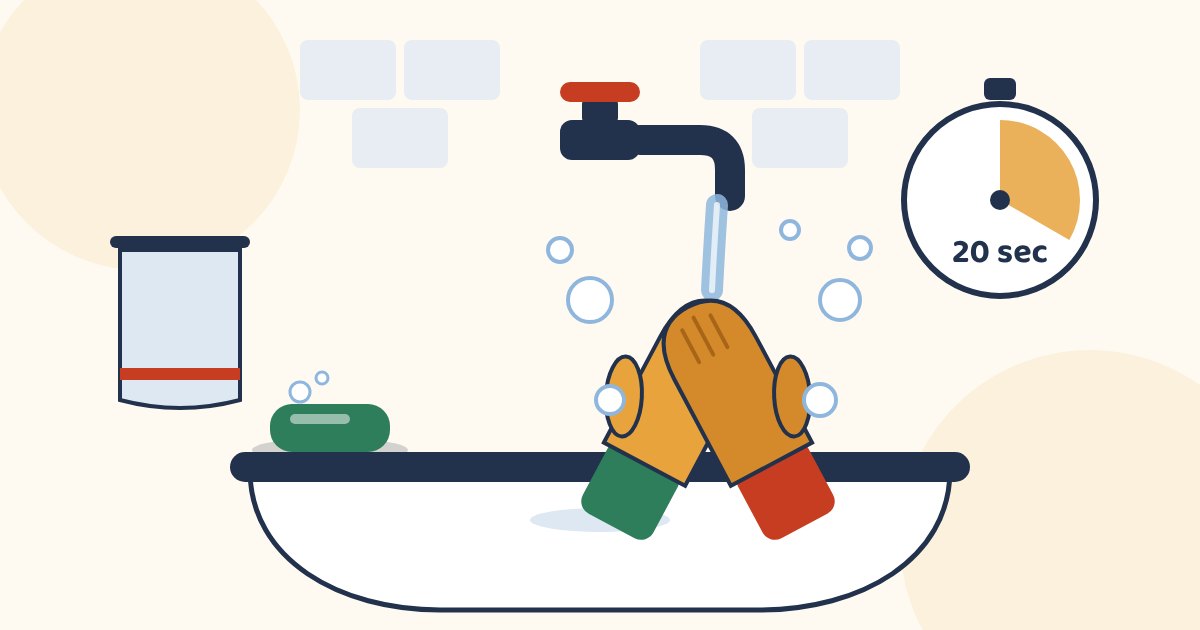
15 October is Global Handwashing Day. Washing hands with soap is one of the simplest things a family can do to stay healthy. It costs very little, takes less than a minute, and even young children can learn it.
Germs on hands cannot be seen. Hands that look clean can still carry them to the mouth, eyes and nose, and on to food. Soap and water lift these germs off the skin, and the running water rinses them away.
Why it matters
In 2025, the World Health Organization and UNICEF released their first global guidelines on hand hygiene at home and in the community. They note that good hand hygiene reduces diarrhoea by about 30% and chest and throat infections by about 17%. A habit learnt in childhood usually stays for life.
When to wash
You do not need to wash all the time. What matters most is washing at the key moments:
- Before eating, and before feeding a child or breastfeeding.
- Before preparing or serving food.
- After using the toilet.
- After changing a nappy or cleaning a child who has used the toilet.
- After blowing the nose, coughing or sneezing.
- After playing outside, touching animals or handling garbage.
- Whenever hands look dirty.
How to wash, step by step
- Wet both hands with clean running water. Warm or cold water both work, as long as soap is used.
- Apply soap. Plain soap is enough; a special germ-killing soap is not needed.
- Rub palms together to make a lather.
- Scrub the backs of the hands, between the fingers, the thumbs, the fingertips and under the nails.
- Keep scrubbing for at least 20 seconds. That is about as long as singing "Happy Birthday" twice.
- Rinse well under running water.
- Dry completely with a clean towel or cloth. Germs spread more easily from wet hands.
Teaching your child
Children copy what they see. When parents and older siblings wash before every meal, the little ones join in without being told. A few ideas that help:
- Wash your hands together, side by side, and talk through the steps.
- Sing a short song while scrubbing so the 20 seconds feels like a game.
- Praise the effort, not just the result, especially in the first few weeks.
- Trim nails short, as dirt collects easily under long nails.
What about hand sanitiser?
Soap and water is the first choice. When soap and water are not available, such as while travelling, a hand rub with at least 60% alcohol is a good alternative. Rub it over all parts of the hands until they feel dry. A hand rub does not work well on hands that are visibly dirty or greasy, so wash those with soap as soon as you can.
Hand rubs can be harmful if swallowed. Keep the bottle out of young children's reach and let them use it only with an adult watching.
References
- World Health Organization and UNICEF. Guidelines on hand hygiene in community settings. Geneva: World Health Organization; 2025. (News release: New guidelines on community hand hygiene to help governments reduce the spread of infectious diseases, 15 October 2025.) Link
- UNICEF. How to teach your kids handwashing. UNICEF Parenting. Link
- Centers for Disease Control and Prevention. About Handwashing. Clean Hands. 2024. Link
This note is health education for the public. It does not replace a consultation with a doctor who can examine your child.
Prepared with AI assistance; medically reviewed by Dr Harshal Khade before publishing. Illustration created with AI assistance.