Healthy festival snacks for children: simple ideas from home
Sweets and faral can be part of the festival fun. Keep them small and occasional, and fill most snack times with fruit, roasted chana, makhana, sprouts, curd and steamed or roasted home snacks.
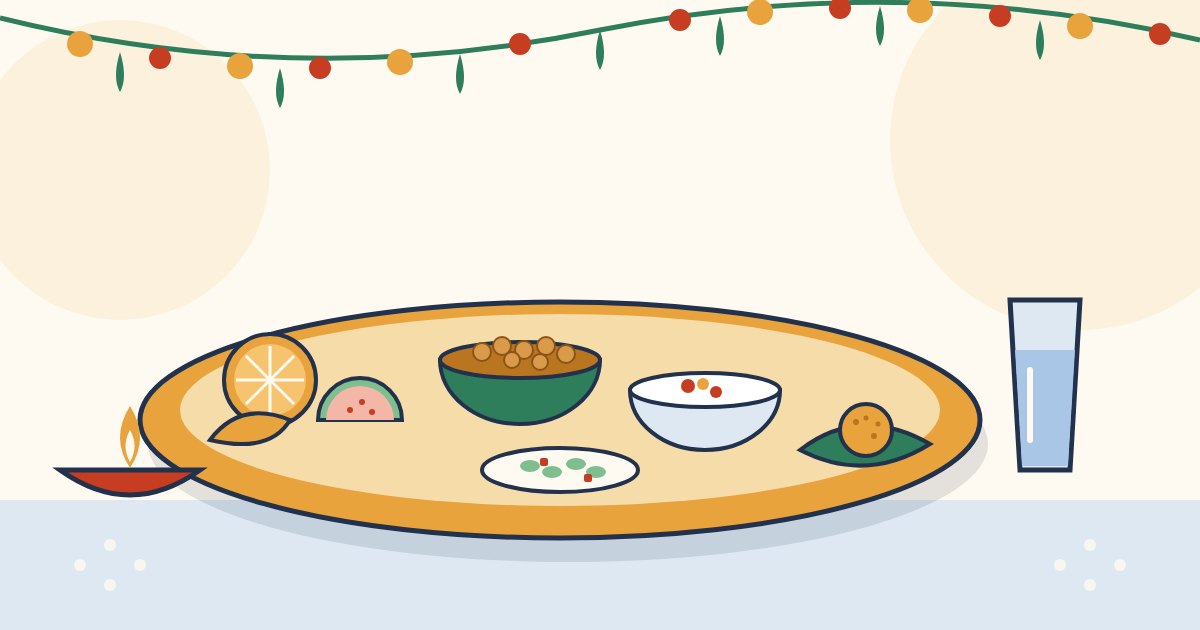
From Dussehra to Diwali, homes fill with laddoos, chivda, chakli, karanji and boxes of sweets from friends and family. Sharing food is a lovely part of our festivals. With a little planning, children can enjoy the treats and still get the good food they need to grow and stay active.
The idea is simple: sweets and fried snacks are a small, occasional part of the day, while most snack times come from fresh and home-made foods.
Why snacks matter for children
Children have small stomachs, so snacks between meals are a normal part of their day. The American Academy of Pediatrics (AAP) points out that snack time is a good chance to add fruits, vegetables, milk foods and whole grains, which many children do not eat enough of.
Packaged snacks often have a lot of added sugar and salt and few nutrients, and children may feel hungry again soon after eating them, notes the AAP.
How much sugar is too much
The World Health Organization (WHO) advises that both adults and children keep free sugars below 10% of their daily energy, and suggests going below 5% for extra benefit. Free sugars include sugar added while cooking, sugar in sweets and drinks, and the sugars in honey, syrups and fruit juice. Jaggery is also a sugar.
For an adult, 5% is roughly 6 teaspoons of sugar a day. A child eats less than an adult, so a child's share is smaller still. A few festival sweets can use up a whole day's share quickly. The ICMR-National Institute of Nutrition (ICMR-NIN) also advises not adding sugar to food for children under 2 years of age.
Healthy snack ideas from the Indian kitchen
Many of our everyday foods make good festival snacks:
- Fruit: seasonal fruits such as guava, banana, orange, papaya or chikoo, cut into slices or made into a fruit chaat.
- Roasted foods: roasted chana, lightly roasted makhana, or jowar lahya (puffed jowar).
- Pulses: sprouts chaat with onion, tomato and lemon, or a bowl of chana or moong usal.
- Steamed foods: dhokla, idli or steamed corn.
- Milk foods: plain curd with fruit, buttermilk (chaas), or milk.
- Home-made treats, made lighter: roasted poha chivda with less oil, small laddoos of ragi, til or dry fruits, with less jaggery or sugar.
What you can do
- Keep a bowl of cut fruit or roasted chana where children can see it, and put the sweet boxes away.
- Make small portions of sweets and faral, and serve them on a plate rather than from the box.
- Give sweets after a meal rather than in place of a meal.
- Give water, chaas or milk to drink. ICMR-NIN advises avoiding soft drinks and cold drinks.
- Read labels on packaged festive snacks. ICMR-NIN notes that claims like "sugar-free" or "natural" can be misleading, and such products may still be high in fat, refined flour or hidden sugar.
- Let children help make healthy snacks, like mixing a fruit chaat or sprouts chaat.
Keep the festival in balance
One sweet at a family gathering is not a problem. It is what children eat day after day that matters most. Regular meals, plenty of fruit and vegetables, and active play outdoors help children enjoy the festival season and stay healthy through it.
References
- ICMR-National Institute of Nutrition. Dietary Guidelines for Indians (summary booklet). Hyderabad: ICMR-NIN; 2024. Link
- World Health Organization. WHO calls on countries to reduce sugars intake among adults and children (Guideline: Sugars intake for adults and children). Geneva: WHO; 2015. Link
- Section on Obesity, American Academy of Pediatrics. Choosing Healthy Snacks for Children. HealthyChildren.org; 2020. Link
- Centers for Disease Control and Prevention. Choking Hazards. Infant and Toddler Nutrition. Atlanta: CDC; 2026. Link
This note is health education for the public. It does not replace a consultation with a doctor who can examine your child.
Prepared with AI assistance; medically reviewed by Dr Harshal Khade before publishing. Illustration created with AI assistance.