How to build a healthy plate for your growing child
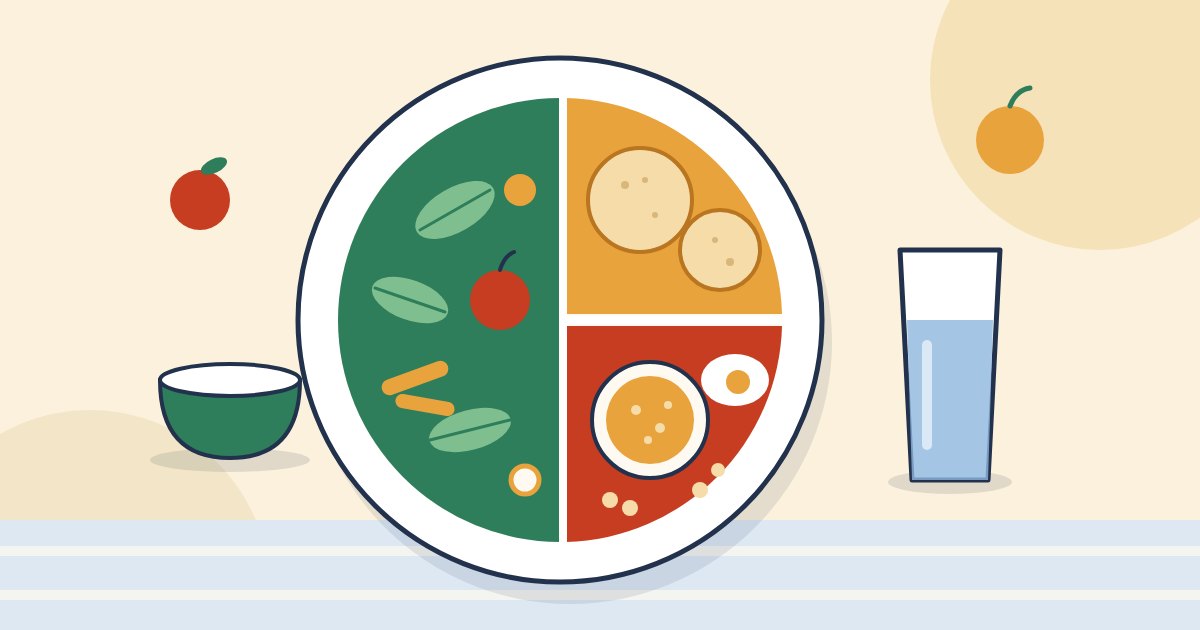
Fill about half of your child's food for the day with vegetables and fruits, and share the rest between whole grains or millets, and dal, eggs or milk. Simple home food, eaten together, is enough.
16 October is World Food Day. It is a good moment to look at what goes on our children's plates. Good food for a growing child does not need special products or expensive items. Ordinary home food, chosen with a little care, gives children what they need to grow, learn and play.
The ICMR-National Institute of Nutrition (ICMR-NIN) in Hyderabad has a simple model for this, called My Plate for the Day. It shows how to share the day's food between different food groups.
Half the plate: vegetables and fruits
In My Plate for the Day, vegetables, green leafy vegetables, roots and fruits make up about half of the day's food. Try to include different colours through the week: green leafy vegetables like palak and methi, yellow and orange vegetables, and seasonal local fruits.
Whole fresh fruit is better than juice. ICMR-NIN advises eating fresh fruit rather than having it as juice.
Whole grains and millets
The next big part of the plate is cereals and millets. Jowar, bajra and ragi, along with wheat and rice, are all good choices. ICMR-NIN advises a mix of whole grains, pulses and millets, and choosing whole grains over refined ones where you can. A jowar or bajra bhakri, or ragi in porridge, are easy ways to add millets at home.
Protein foods and milk
Dal, chana, rajma and other pulses are the main protein foods in most Indian homes. Eggs, fish and meat can take the place of part of the pulses for families who eat them. Nuts and seeds such as groundnuts and til are also part of the day's plate.
ICMR-NIN also advises giving children enough milk, curd or yogurt every day.
What you can do
- At each main meal, check that the plate has a vegetable, a grain or millet, and a dal, egg, milk or curd.
- Give water to drink. ICMR-NIN advises avoiding soft drinks and cold drinks.
- Keep packaged snacks, biscuits, chips and sweets for occasional treats, not daily food.
- Do not add sugar to food for children under 2 years of age.
- Eat together as a family when you can, with phones and TV switched off.
- Let children help: washing vegetables, setting plates, or choosing a fruit at the market.
Why family meals help
The American Academy of Pediatrics notes that children who eat regular meals with their family tend to eat more balanced food and are more likely to accept healthy foods. Meal times are also a chance to talk and spend time together. Keeping screens away during meals helps everyone notice their food and each other.
Packaged and fried foods
ICMR-NIN advises limiting foods high in fat, salt and sugar, and ultra-processed foods such as chips, biscuits, cakes, breakfast cereals and soft drinks. Even home-made food can become less healthy when it is deep fried or made with a lot of sugar or salt. These foods do not need to be banned; it is what children eat every day that matters most.
Along with good food, ICMR-NIN advises about 60 minutes of physical activity every day for children, and less time in front of screens.
References
- ICMR-National Institute of Nutrition. Dietary Guidelines for Indians (summary booklet). Hyderabad: ICMR-NIN; 2024. Link
- Hemalatha R. Policy Brief: Promotion of "My Plate for the Day" and physical activity among the population to prevent all forms of malnutrition and NCDs in the country. Hyderabad: ICMR-National Institute of Nutrition; 2024. Link
- Muth ND. Benefits of Family Meals: Eat Together, Thrive Together. HealthyChildren.org, American Academy of Pediatrics; 2024. Link
This note is health education for the public. It does not replace a consultation with a doctor who can examine your child.
Prepared with AI assistance; medically reviewed by Dr Harshal Khade before publishing. Illustration created with AI assistance.