Iron-rich foods: how to help your child get enough iron
Give your child dal and other pulses, green leafy vegetables, seeds and dry fruits, and eggs, fish or meat if your family eats them. Add a vitamin C fruit or a squeeze of lemon, and keep tea and coffee away from meal times.
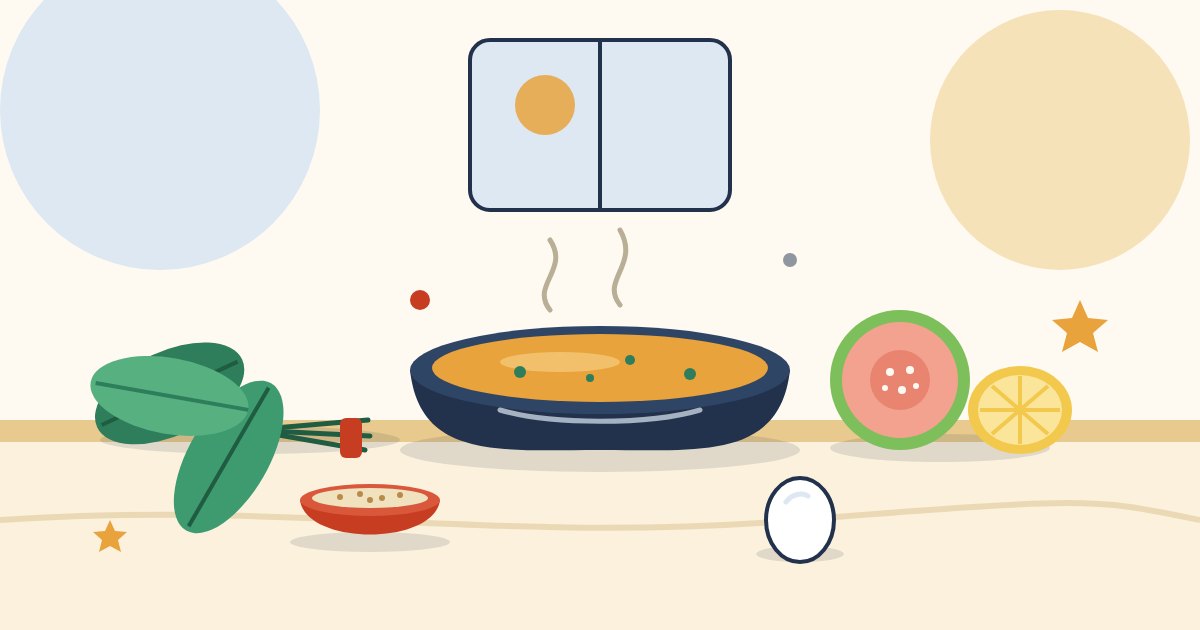
Iron is a mineral the body uses to make haemoglobin, the part of the blood that carries oxygen to every part of the body. Children grow fast, so they need a steady supply of iron from their food. The good news is that many everyday foods in an Indian kitchen are good sources of iron.
Why iron matters
The ICMR-National Institute of Nutrition (ICMR-NIN) explains that iron is essential for making haemoglobin and for preventing anaemia. The American Academy of Pediatrics (AAP) notes that too little iron can make children feel tired and can affect their thinking and learning.
Anaemia is common in India. The National Family Health Survey (NFHS-5) found it in 67.1% of young children, as reported by the Ministry of Health and Family Welfare. The government's Anemia Mukt Bharat programme works to prevent anaemia in children, teenagers and mothers. Good food at home is an important part of this.
Who needs a little extra care
According to the AAP, babies and toddlers need plenty of iron because they grow so quickly. Older children going through growth spurts, and teenage girls once their periods begin, also need more.
The World Health Organization (WHO) advises starting other foods at 6 months, alongside breastfeeding. ICMR-NIN says thoroughly cooked whole eggs, fish and meat can be given in small amounts from 8 months of age, for families who eat them.
Iron-rich foods from the Indian kitchen
- Pulses: dal, chana, rajma, moong and other beans.
- Green leafy vegetables: palak, methi, chawli and other local greens.
- Seeds and dry fruits: til (sesame), pumpkin seeds and raisins. For babies and toddlers, grind seeds and dry fruits into a powder to avoid choking.
- Eggs, fish, chicken and meat: for families who eat them. ICMR-NIN notes that the body takes up iron from these foods more easily than from plant foods.
Help the body absorb more iron
The body does not take up iron from plant foods as easily. A few simple kitchen habits help, according to ICMR-NIN:
- Add vitamin C. Fruits like guava, orange and pineapple, or a squeeze of lemon on dal or sprouts, help the body absorb iron from plant foods.
- Use sprouted and fermented foods. Sprouts, idli and dosa batter, and other fermented or sprouted grains make iron easier to absorb.
- Keep tea and coffee away from meals. Tea binds iron in food so the body cannot use it. ICMR-NIN advises not having tea or coffee with meals or soon after meals.
Milk is good, but not in place of meals
Milk is a valuable food, but it is low in iron. When a child drinks a lot of milk, they may feel too full to eat other foods. The AAP advises not giving cow's milk before 12 months of age, and after the first birthday, keeping milk to no more than about 700 ml (24 ounces) a day.
What you can do
- Include a dal, pulse or egg in at least one meal every day.
- Add green leafy vegetables to dal, paratha, thepla or bhaji a few times a week.
- Serve a vitamin C fruit with or after meals, or add lemon to dal and sprouts.
- Give water with meals, and keep tea and coffee for other times of the day. Young children do not need tea or coffee.
- Give milk as part of the day, not as a replacement for meals.
- For teenage girls, make sure meals include iron-rich foods every day.
When to talk to a doctor
The AAP suggests talking to your child's doctor if your child looks pale (pale skin, lips, nail beds or inner eyelids), seems tired all the time, or has a craving to eat things that are not food, such as mud, paper or ice.
References
- ICMR-National Institute of Nutrition. Dietary Guidelines for Indians. Hyderabad: ICMR-NIN; 2024. Link
- Kumar S, Kataria R, Srivastava V. Nourish, Prevent, Protect (Anemia Mukt Bharat). New Delhi: Ministry of Health and Family Welfare, Government of India. Link
- American Academy of Pediatrics. Iron Deficiency and Anemia in Babies, Children & Teens. HealthyChildren.org; 2026. Link
- World Health Organization. Child health: Recommended food for the very early years. Geneva: WHO; 2011. Link
This note is health education for the public. It does not replace a consultation with a doctor who can examine your child.
Prepared with AI assistance; medically reviewed by Dr Harshal Khade before publishing. Illustration created with AI assistance.